
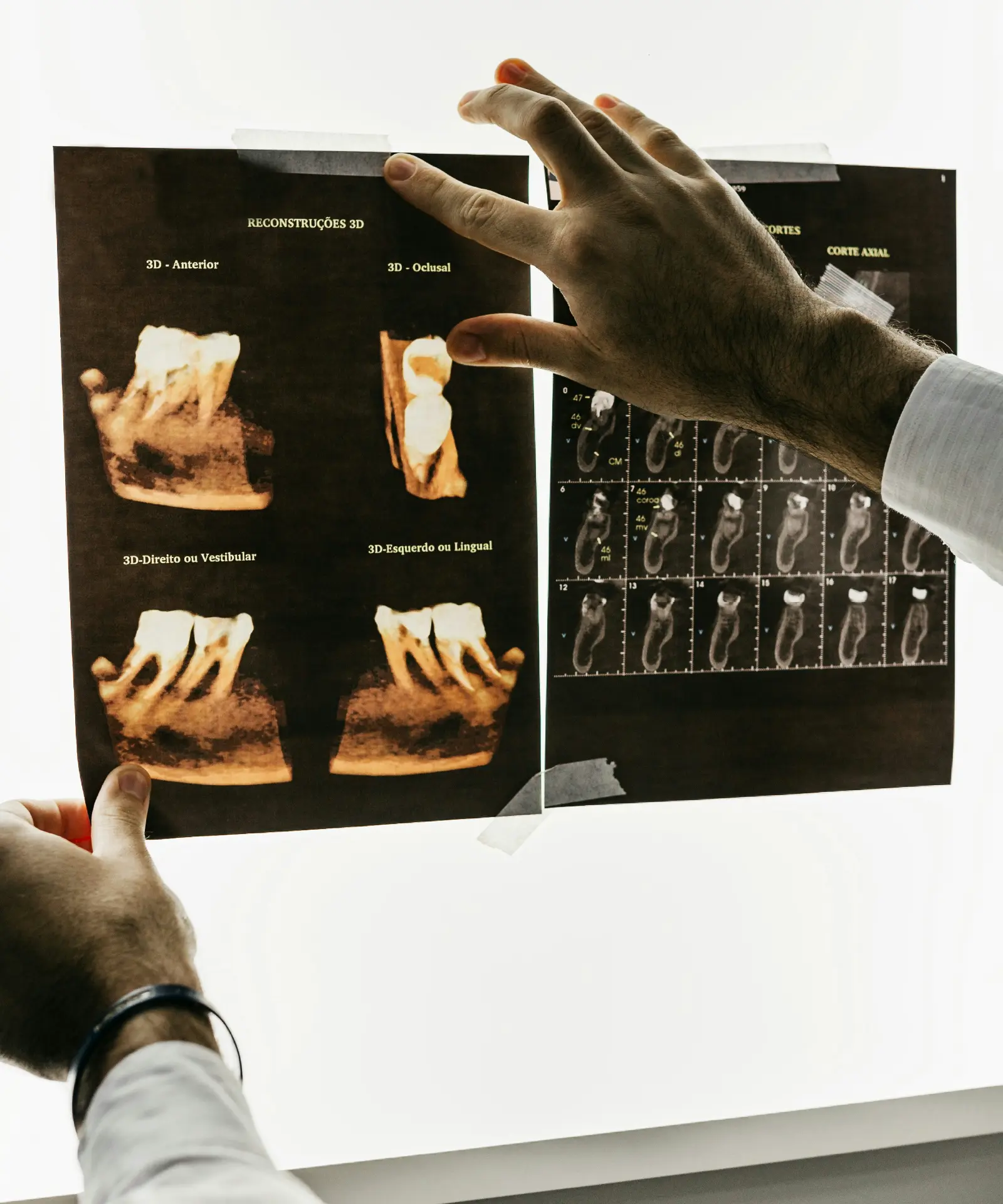
Bone regeneration in the context of dental services refers to procedures and techniques aimed at restoring or rebuilding bone tissue in the jaw. This is often necessary when there has been bone loss due to periodontal disease, trauma, or when preparing for dental implants.
Causes of Bone Loss:
- Periodontal Disease: Advanced gum disease can lead to the deterioration of the bone that supports the teeth.
- Tooth Loss: When a tooth is lost, the bone that once surrounded and supported it can begin to resorb (shrink) over time.
- Trauma or Injury: Significant trauma to the jawbone can result in bone loss.
Importance of Bone Regeneration:
- Support for Dental Implants: Dental implants require sufficient bone volume and density to be successful. Bone regeneration procedures can create a stable foundation for implant placement.
- Preservation of Facial Structure: Bone loss in the jaw can lead to changes in facial appearance and affect the ability to chew and speak properly.
Common Techniques for Bone Regeneration:
- Bone Grafting: Involves taking bone from another part of the body (autograft), from a donor (allograft), or synthetic materials (alloplastic grafts) and placing it in the area of bone loss. Over time, the grafted material encourages the body’s natural bone regeneration processes.
- Sinus Lift: Also known as sinus augmentation, this procedure adds bone to the upper jaw in the area of the molars and premolars. It’s necessary when there isn’t enough bone height in this area for dental implants to be placed securely.
- Ridge Expansion: Widens the jawbone to create enough space for dental implants. This is typically done when the jaw isn’t wide enough to support implants.
- Guided Bone Regeneration (GBR): Involves placing a barrier membrane over the bone graft to encourage bone growth and prevent soft tissue from invading the healing area.
Process of Bone Regeneration:
- Consultation and Evaluation: Your dentist or oral surgeon will evaluate your oral health and determine the extent of bone loss using X-rays or CT scans.
- Treatment Planning: Based on the evaluation, a treatment plan will be developed that may involve bone grafting, sinus lift, ridge expansion, or a combination of these techniques.
- Procedure: The bone regeneration procedure is typically performed under local anesthesia or sedation, depending on the complexity.
- Healing and Osseointegration: After bone regeneration, it takes several months for the grafted bone to fuse with the existing bone (osseointegration). During this time, your dentist will monitor your healing progress.
- Implant Placement: Once the regenerated bone has healed and integrated properly, dental implants can be placed securely into the jawbone.
Post-Operative Care:
- Follow-Up Visits: Regular follow-up visits with your dentist or oral surgeon are necessary to monitor healing and ensure the success of the procedure.
- Oral Hygiene: Proper oral hygiene practices, including brushing and flossing, are essential to prevent infection and promote healing.
- Avoiding Pressure: Avoid putting pressure on the treated area to allow for proper healing.
Bone regeneration is a critical component of many advanced dental treatments, particularly dental implant placement. It restores lost bone volume and structure, enabling patients to regain function, aesthetics, and overall oral health. Always consult with a qualified dental professional to determine the best treatment plan for your specific needs.